|
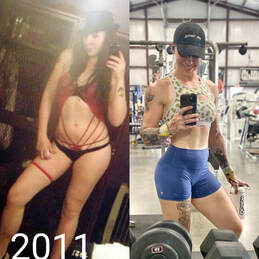
Since the beginning of the fitness industry we have seen ads and media pushing "Thin makes you pretty." "Thin makes you healthy and desirable!" Toxic words that bevel deep into the subconscious, continually screaming at you that you are not good enough. Diet culture has created a very toxic mindset with it. Telling us that we are nothing if we eat too much, eat the wrong foods, and if we do not fit a size 20" waist. While we know it's a toxic lifestyle, we continue to allow it to infiltrate our daily lives. What happens when we allow this to happen? Let's take a look! Firstly, what is diet culture? Diet culture refers to a particular mindset that values thinness, appearance & shape above overall health and wellness. 1. Negative self talk/fat talk ensues. This is a very dangerous side effect. This one in particular leads to many mindset changes that lead to physical changes. This can lead to: - Body dysmorphia: this is when you look in the mirror and see something completely different that what is actually showing. I still see the overweight and unhealthy 20-something year old looking back in the mirror at me some days. I have to remind myself with progress pictures how far I have actually come in my health over my looks and that where I am is a much better place than where I was. - Eating disorders: negative self talk definitely leads us into eating disorders. Our subconscious bringing to the the forefront of our minds that if we eat that we will be worthless, unworthy, and fat. That this food and that food are bad and we need to eliminate them to achieve our goal of thinness. Anorexia, bulimia, and even binge eating at times. All three of these disorders mess up the balance of homeostasis in the body and in the hormones. Without proper nutrients our body begins to break down. Not just muscle, our organs begin to stop working properly, we can no longer digest properly, mood is out of balance due to hormone influxes and your sleep will suffer as well due to hormone influx. - Feelings of unworthiness: when we feel this way, depression is more than likely to follow. Telling ourselves we are not worthy of love, life, the promotion or anything else radiantly positive in life due to our looks is self torture. It is self sabotage for the things we truly desire in life. This will cause stress hormones to rise and radical damage to follow in the organs, mind and hormones as well. Affecting more than just our thoughts, but again how our body operates and functions overall. - Fat talk: this is exactly how it sounds. Individuals speaking about themselves as if they were overweight. "My thighs are too big" "I need to lose 5 pounds" "This milkshake has too many calories in it". These also lead to eating disorders. 2. Caloric restrictions. This is a HUGE one I talk about with my clients often. There is no such thing as good or bad food. Diet culture teaches us that there is. "You can't have that ice cream! It will make you fat!" Well I ask, what is that ice cream made from? Coconut milk or cows milk? It is not that there are bad foods or good foods for us, there are simply ingredients that either work with our bodies or against them. This is a toxic mindset created from diet culture. Caloric restrictions lead to eating disorders such as anorexia and bulimia. Most prevalent in teens, including boys. 3. Photo editing to fit the criteria. This is huge one since the birth of social media. Before we just airbrushed and photoshopped ourselves through Photoshop. Now we swipe and see a filter that makes us as perfect skinned as the porcelain doll your grandma gave you as a kid that still creeping you out in the back of your closet. We filter and eventually this is how we perceive ourselves in the mirror one day without the filter which creates a whirlpool of mental issues, low self-esteem and bodily self harm like eating disorders. Photo editing is fun and all, but let's save it for the pictures that look like you're fighting a really big dragon, eh? In 2019 a studied showed that 90% of Americans aged 18-29 used social media daily and that of those 50% regularly used social media editing tools. 50% were men and 70% were women. How do we stop diet culture talk? This is simple to understand, difficult to implement as it is so engrained into our society now.
So there are many ways we can overcome diet culture speak and lifestyle choices. Most of them are being more mindfully aware of what we are choosing in those moments. 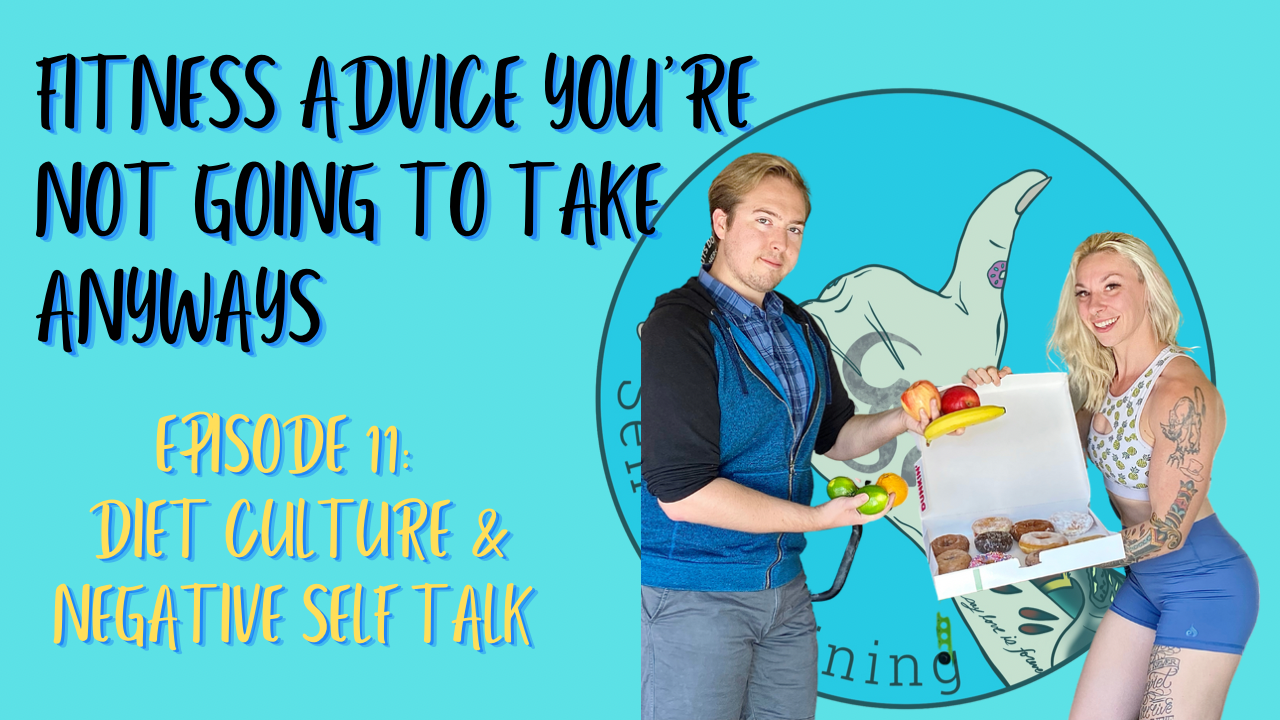
0 Comments
 It's finally winter, ah the cold is coming in. Time for fluffy jackets and hot cocoa on the couch with those little mallows. Yes? Wrong, it's time to put in the real work. Winter is a fantastic time for us to focus on ourselves as the cold sets in for the next 3-6 months. While cuddling up on the couch with a cup of cocoa and a good book are idyllic it's not necessarily conducive to our health to hibernate with the bears. This is a great time to get your stress, food intake and health under control. So let's take a look at the 3 simple ways that we all sabotage ourselves in our journey. 1. Stress is still too high and we claim we can't manage it. Listen, I understand and I hear you. However, you are not the exception. Know this, everyone is struggling with their stress and learning what you are learning, stress management. This is such a huge one because stress affects our hormone production. If our hormones are out of balance we suffer. Create mood disorders, sleep disorders, eating issues and disorders, unwanted fat gain and inflammation. The list continues even. So what can we do? Learn techniques that work for you to help you manage your stress levels throughout the day. For example, I have terrible road rage and I drive all the time. When I encounter a bad driver or someone moving just a bit too slow for the speed limit, I take a few deep breaths rather than allow myself to yell and scream at them. This keeps me calm. I also remind myself that everyone is in their own world and doing their own thing. (This shouldn't negate our mindful side for those around us and our surroundings however.) Breath work is one of the best ways to begin. Learning to breathe controls how much stress hormone you release, or don't. Yoga is another great way to learn breath work and patience. Many of us do not like to sit still, there is a reason. Look at your lifestyle and the world created for us. It literally tells us we have to move and be productive to be worthy. Not true. Slow down. And finally, journaling/self therapy techniques also help. This allows your subconscious to release trauma, worries, doubts, and intrusive thoughts you just can't quite let go of. Working out also puts a particular type of stress called eustress on the body. Over time your body adapts to this physical stress making environmental stressors easier to manage and handle. 2. Cardio is just as important as lifting. In the beginning of your journey you NEED cardio. This does in fact assist with burning up that fat off your body. Fat supplies energy more than muscle, if you have excess fat on you then you have energy to burn. The body also needs cardio for a stronger heart, better blood pressure, and lower resting heart rate. Unless you are a conditioned athlete or bodybuilder (all of which do cardio as well) you need to incorporate a few days per week of some type of intense cardio. Walking is NOT cardio. Walking is a daily necessity. If you choose to walk, do so at an incline to burn more. The intensity is what assists our consistency in bringing results. 3. Eat your food and drink your water! I cannot stress this one enough. Our world is so prideful of lean, svelte bodies that we forget food and water are natural medication and necessary for survival! Many times clients beginning out will inform me that they do not eat breakfast or hardly at all and they can't lose the fat. If your body is in a deficit too long, of course it won't work. This has become your new baseline. Nutrition is much more complicated than just eating. You must eat for fuel as energy to the cells, muscles and brain as well as the recovery aspect. Drinking water also does the same thing by keeping your hydrated. Without water many of our nutrients have nothing to carry them around the body. Same with our food. If we cut out salt, electrolytes for example, have trouble transporting from cell to cell. Those electrolytes keep the body moving and supply the electricity to do so! My best advice is to consume a protein shake immediately following your training session and a full meal with protein and complex carbohydrates within 1 hour of working out. Fuel yourself for the best results otherwise we stay stagnant. So here you have it, 3 simple ways you may be sabotaging your own progress. Use this winter to gain the health and the body you desire for this coming spring and summer. Don't be afraid to put in the work and wow yourself! And remember, this is self-care.   It's just about that time of year again when everything cools down, rain shows itself and the sun disappears along with our happy rays. The winter months can bring on some serious SAD (Seasonal Affective Disorder) symptoms and if you're like me you need all the help you can get during those gloomier days to stay a bright and cheery soul!
I became a trainer and nutritionist nearly ten years ago and along with way I have found a few ways to help combat the blues during gloomy days and cold winter months. Here are a few things you can do to help you stay and feel happier this winter. 1. KEEP MOVING! That's right! Exercise is on the menu my dear! Movement is not only medicine, it also helps our bodies and hormones stay balanced on a daily basis. Feeling anxious? That's your body telling you to release some of that energy. Grab your sweats, good shoes and hit the weights. You will thank yourself later. 2. EAT GOOD AND WHOLESOME FOOD. Now this is definitely a tougher one for most of us as the winter months bring the holidays and wanting to cuddle up with a cup of cocoa and a good movie or book. Not that there isn't a time and a place for that, however keeping your body in a healthy place during these months not only keeps that summer bod you worked so hard for but allows your body to absorb all the right nutrients and stay hormonally balanced as well. I tend to also eat with the seasons. In the winter months we consume more veggies such as asparagus, Brussels sprouts, and different varieties of squashes and potatoes. I also still love to consume a smoothie when the fruit falls out of season and into high high prices. 3. SUPPLEMENT WHERE YOUR NUTRITION IS LACKING. Supplements are great for filling in the gaps and can really help in keeping our overall health at optimal levels. If you live in an area where you cannot get great and fresh foods, this is where supplements can help us. During the days we don't receive as much sunlight (or working inside) taking extra vitamin D can help supplement what you may be missing out on. This is where a multivitamin can be unnecessary. Sometimes going with individual vitamins and minerals is more beneficial for balance. 4. TAKE EXTRA VITAMIN B AND D. Yes both! B vitamins are great for more than just energy, they also help our bodies stay hydrated, boost our mood and metabolism along with strengthen the immune system. Vitamin D is actually a hormone and is necessary any day you wake up breathing. It assists in hormone production and balance, mood, sleep, and immune. Most Americans do not intake enough vitamin D, using a supplement such as Carlsons or Natures Way can really benefit in getting the vitamins we need to keep our body healthy all year around. Higher vitamin D levels in healthy individuals were also found to assist in warding off sickness, including COVID. 5. DON'T GET COMPLACENT. I know it feels really good to just sit down and cuddle up under a blanket during these colder days, however this is where we get too comfortable. Make sure you keep moving. This is not the same type of moving as I mentioned above. This is a great time to find hobbies that keep you busy and keep your mind engaged. 6. AVOID PROCESSED SUGAR. This is a huge one! Especially as we enter the holiday season. It is so tempting to eat it all in one sitting, and there's a very large reason for that. Sugar shuts down the frontal lobe where we process a lot of speech, thought and even movement. When sugar takes over it causes massive amounts of inflammation, especially in the brain. This is why we feel cranky and lethargic after eating something very sugary. I always suggest to my clients to consume with moderation. It is not a bad thing to eat the cookies, pies and enjoy a Hot Toddy. It's overconsumption that leads us to results that we wake up looking in the mirror disliking the next day. 7. TAKE COLD SHOWERS! Whoa! Hold on Kaie, what do you mean? Take a cold shower in winter? Yes! The cold water not only strengthens your immune system but also your nervous system. Which means you can handle the cold better ANNDDD the stresses of the day. Cold showers are amazing! I usually begin with a normal temperature shower and 2-5 minutes before I end my shower I finish out with standing in the cold water for as long as I can handle. This is actually the Wim Hof method. It's highly effective over time. So here are my best tips to keeping yourself smiling and feeling a bit more upbeat this winter. You don't have to spend the next few months curled up and feeling miserable because its cold out. Grab a friend, hit the gym and enjoy a nice hot meal when you're finished. Stay warm and happy this year! We're excited to be working with Elite Sports and Born Tough to try out their products!
We will come up with a review post once the product testing is done Keep an eye out for these updates! If you guys would like to check out more from them, in the meantime you can head over to one of the links listed below and check out their great products! Check them out here: https://www.elitesports.com/products/elite-sports-bulgarian-sand-bag https://www.borntough.com/collections/mens-workout-shorts It's been a long day, time to go home and kick back. Maybe put your feet up, eat a little, and relax in front of the tv or video games. However, let's explore something real quick.
You've just spent, we will say on average, 9 hours sitting or standing at your job all day long. Hardly moving your body, the muscles become stiff and rigid from lack of blood flow. Joints begin to ache, then your head, then your feet or knees. It is very counterintuitive to add even more stagnant movement into the day. The body is designed to move, to build, to transport and to carry. If it's continually in the same positions day in and day out we end up building movement patterns that come with major risk of injury. Here are things you can do before sitting down in front of the tv to binge your favorite show! Get your blood flowing first and give your hormones some room to run. 1. Let it out & write! Work is an often stressful event for many of us. Allowing yourself time to decompress and let your thoughts from the day flow onto the page. This allows you to say whatever you want without consequence, however also allows you mind to let go of the things that maybe didn't go the way you expected. Being able to express yourself in some form will help to relieve some stress from the day. 2. Get moving! Exercise may feel like the last thing you want to do after being at work all day. However, exercise not only builds strength, functionality, and keeps joints protected; we also get more balanced hormones, which in turn can lead to better mood, sleep, and cognitive functioning. Get your blood flowing before sitting back down. 3. Read a book rather than turn on the tv. You have more than likely been staring at a screen all day at work, give you eyes a break from that blue light and your brain a break as well. The blue light causes some major implications with the frontal cortex. Give yourself a little time and let your mind calm down and eyes relax from that light. 4. Talk a hike/walk. You've probably been inside for your work day, let yourself out and enjoy the sunshine. Replenish your vitamin D and your mood. Recharge your soul and your body. This is also a great way to help relieve some stress and get a nice tan in the summer time. 5. Spend time on a hobby. Just because we are finished working doesn't mean we can't get home and sit down to indulge in our favorite hobby or activity that doesn't involve a screen. These are just a few ideas to get you started on some better after work routines. De-stressing comes in many forms outside of the screen. It's a great idea to contribute to your health and wellness routines by incorporating some of these elements into your daily life. Lowering stress lowers and brings hormones back to a level homeostasis basis. This wards off sickness, inflammation, excessive fat gain, mood swings, lack of sleep, lagging cognitive functioning and even digestive issues. Next time you get home and kick off those shoes, I hope you pick up a pen and paper or book instead of reaching for the remote. Healthy begins with the smallest of steps and changes. They lead to great results over time. You woke up this morning, eye wide looking at the clock... 6am. Comfy in bed. Not wanting to move from your warm position.... Get up! Let's go and get the blood flowing! These are days we all have had, it's okay! Let's explore some ways to master each workout. Things to do the day before: 1. Eat plenty of calories. When you're building muscle AND burning fat in the beginning, you still need sufficient amount of fuel to do both. Eating enough is also fuel for a great workout session. Don't skip the kcals! 2. Drink plenty of water. Clients LOVE to come in dehydrated! Wooooweee! Let me just say, this is worse than coming in with only a protein shake in your stomach. The body is highly depleted upon waking. It's needs to be replenished before you conduct any intense and rigorous activity. 3. Catch plenty of zzz's. I know this is a tough one for many of us, however, over the years of being a trainer I find this can improve with small routine tweaks in the evening. Leaving you with better and deeper sleep. You can see some of those changes here in a previous post I did talking about sleep. 4. DON'T SKIP THE WARM UP. This is so important to me being an injury prevention specialist. If you are jumping right into the workout as soon as you enter the gym, you are putting your body at risk for injury. Many times a client will walk in without first truly waking up. What do I mean by this? I wake up at least 1 hour before my day begins, this is to ensure that my mindset is right, I have prepped meals and myself for the day, and my body is also awake and has had time to move and replenish with nutrients before I begin any kind of physical activity to work my body. Warming up severely lessens the risk for injury and increases your gaining power. 5. Workout with purpose and intent. This is a big one. I see many individuals, not just clients, who come into the gym and don't know what they are doing or why they are doing it. They just want to be stronger, faster, look great naked, etc. However, this is not a true intention. This is a societal standard. I train with purpose to keep my body healthy and strong for my career and daily tasks. I train with the intent to strengthen joints, the immune system, and then for aesthetics. (I will always train for aesthetics for as long as I am competing.) At one point I trained to heal from injuries. So make sure that you have a purpose and good intentions with you workout. 6. Finally, plan out your workout. Going into the gym and aimlessly wandering not only makes people stare because they are curious about what you are doing and why do you look like a lost puppy. It also gives you direction and will save you time. Write it down in your phone, on your hand, whatever you need to do to remember it. Do not rely on your memory for this, you could miss an important movement you may need to be working on. Alright Warrior, now you have some great tips and tricks to help you have a much more successful workout session for yourself. If you are still unsure of what to do, INVEST IN YOURSELF WITH A TRAINER. There is no shame and yes you can afford to invest in your health for at least one month. Find a knowledgable trainer who will teach and educate you on movements you need, movements you want, and how to take care of yourself. Let's face it, none of us have been properly taught how to do self-care. This is a great beginning point for creating a self-care routine. Happy lifting!   Stomach bloat is no joke and pretty common. It can cause a lot of pain and discomfort. So how do we eliminate it altogether? There are some pretty simple ways that we can do this.
1. Eat less processed foods, including dairy. I said it, dairy is a culprit here as well as the McDonald's you had for breakfast, the bag of chips you had for "lunch" and the take out you ordered in for dinner because work left you too lethargic to cook. Processed foods also harm our gut microbiome. This is how we digest well. When I lessened the amount of processed foods and take out foods I was consuming, I noticed a lot more than bloat disappear from my body. I also noticed inflammation lessen, aches and pains lessened, and my brain fog even lessened. Now that isn't to say I never do, I just moderate. In the beginning, I eliminated to heal my body. Allowing detox to take over, this can take years to fully detox from processed foods. One last point about processed foods, the chemicals, emulsifiers and preservatives used in them block the neuroreceptors to the gut liner that communicate with the brain. They tell the brain that you are full and satiated and to stop consuming whatever you are consuming. When we ingest processed and chemical-filled foods we block this step and tend to overeat. Left wonder why we are feeling bloated, hurting and still hungry. 2. Moderate that dairy or eliminate it. Why? It's just as processed as the other foods. Filled with emulsifiers and fortified with vitamins because they were stripped from it during processing. Unless you are consuming RAW cheese and milk, or goat or sheep milk, it's best to steer clear. Milk in the use tends to turn straight into sugar as well and mess with our glucose levels. You can also end up ingesting and absorbing whatever hormones went into that cow during their raising, this will mess with your body's own homeostasis levels. And lastly about dairy here, I found this highly fascinating and they are still researching more into this. Antibiotic resistance. When a cow gets sick it is given antibiotics, just like a human would be given. This going right into the milk you consume, making it impossible for the antibiotics to work when you are given them during your own time of illness. 3. Exercise and get movement in daily. This seems to be the toughest one for us all. We go to to work, usually sit at a desk many of us. Then we arrive home and sit more telling ourselves this is "relaxing". While it can be relaxing to sit in front of the TV and veg out while you shut your brain off for the day, movement is medicine. Movement and exercise keeps our bodies healthy and strong, with even stronger immune systems. Exercise balances hormones, forces the body to use the fuel it was given for movement and recovery of muscles. It also helps with digestion! When you exercise you are moving your blood around a lot more, the flow increases and particularly to the peristalsis of your gut. This causes it to move around and digest food more and more efficiently by massaging your food. This in turn breaks down your food and is absorbed by the gut liner and dispersed throughout the body. 4. Drink more water. Water is such a powerful force, not only in nature but within the human body as well. As we are made up of mostly water, we need it to maintain our complexion, transport nutrients and other important elements around the body and for proper digestion and bowl movements. Without water we also, die. Water helps break food down and move it through the body in they way that it was meant to be moved. Drinking water after a meal helps to do this and keep you satiated and full, preventing over-indulging moments. Now that you have four simple steps to relieve your body of the bloat, you're ready for the next steps. To take them. Many of us are continuing to workout at home since COVID hit us all square in the face. This is great! Staying active is a great step in preventing yourself from any kind of illness or disease. Some of us may be wanting to begin an at-home regimen however aren't sure where to begin. I just want to take a few moments and cover some basics, some do's and well not don'ts necessarily. More like some guidelines to keep you on track with your goals. 1. Make time. This is the toughest thing for everyone to do, nobody has the time, we have to make the time. While this is tough for us in the beginning, after staying consistent for at least 90 days it begins to become routine and habit. A good habit! A helpful habit that will keep you going day in and day out. 2. Healthy has no pause button. I know, I know, you're tired of me saying this. However, it's very true! Healthy doesn't care that we have children, a career and house to maintain. We have a modeling gig coming up or we are traveling for a year just to connect with ourselves. If you do not maintain the vessel, these things can become difficult to continue to do. This is not a scare tactic, but some plain hard truth. I love to hike, if I did not continue to lift and do cardio my body would start to deteriorate and the muscle becomes stiff and immovable. That hike just became a lot tougher, especially on the hips. So I stay healthy, limber, and strong so my body can handle whatever I throw it into! 3. You don't have to workout three hours a day to obtain your goals. There is a stigma behind bodybuilder aesthetics, while many of them will spend many hours in the gym studies are finding and have found now is that an intense short, 45-90 minute workout burns and builds more than a long drawn out 3 hour workout. If you're working out at home, start small and go for only 20 minutes. Work your way up to doing an hour of movements. 4. Not every workout needs to be "Go big or go home". A short quick workout is going to offer just as much benefit, if not more, as a longer and more intense workout session. Also, you don't have to lift heavy to go hard. Intensity is based on the pace in which you perform your movements. 5. Plan ahead. It is easier to conduct your workout and want to do the workout to begin with if you already have planned out what you are going to do. Find a good app, a program to follow, a trainer, or a YouTube video you have wanted to try. Whatever you do, plan it out and make it happen! 6. There will be days you don't want to move, do it. Not every day is going to feel amazing and like you want to be there, trust me I have had my fair share of downer-days. If you're already in front of it, just begin to move. Don't let yourself talk yourself out of a workout that could better your day. Happy bodies produce happy hormones. Happy people have more energy as well and focus better throughout the day. Don't skip the workout. 7. Days off aren't going to make you lose gains. This is a big no-no. We often times begin a regimen and sometimes we become obsessed with seeing results and want to go hard everyday. The body needs time to rest in order to recover. That recovery is going to fuel your next workout, your next recovery session, gain you more muscle and burn more fat than if you go 7 days a week/365 per year. So relax! Kick back and enjoy some yoga or just the stairs for the day. Nobody said you had to be a potato on the couch. Active rest days are a great way to let your body recover and still move. 8. Support is crucial! I am emphasizing this one because without the right support we fail. If you're family or roommate or partner doesn't agree with you working out in the house, find somewhere else to do it! Ask them to join you. Offer to teach them something new. Share the progress you've made. Share how it has changed ___________ in you. Without loving, compassion and encouragement from those around us, gaining a healthy routine can be tough or even non-existent. 9. Lastly, you don't need a full gym to begin! You just need a body and having a couple of mini bands, handled bands or even some free weights does not hurt in the strive for progress! There you have it! The do's and guidelines for starting your at-home program! Still need some inspiration for you next workout? Check out our programs on Trainerize! Follow along with videos, get progress updates and even access in-app coaching communication.  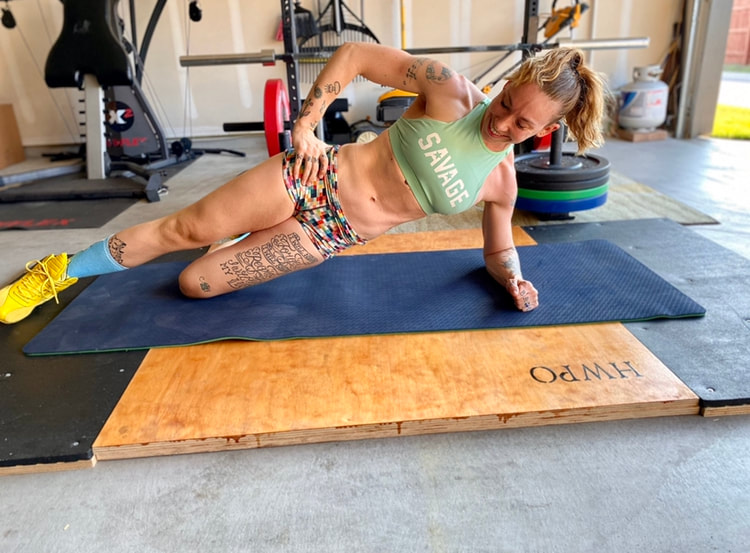 Recently I was contacted by a company called Emerging Green. They were sweet and sent me an at home kit! This kit was really great for the most part. Providing equipment for a full body workout or being able to split it up into sections. It was great to provide a kit that was easily portable as well. Traveling after COVID? Take this with you and keep up on your fitness. 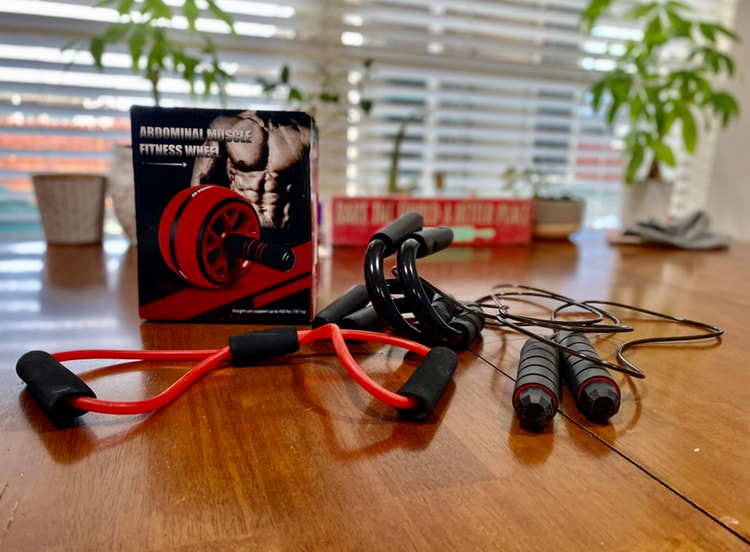 Let's begin with the bad. The band, not a good band. This was the only disappointing piece of this kit. The band moved around too much and did not provide enough tension. It was difficult to do many exercises that could have been done with a mini band much easier. Mini bands are flatter and less likely to roll up the legs or arms. This band also felt flimsy and as though it may snap at any moment. 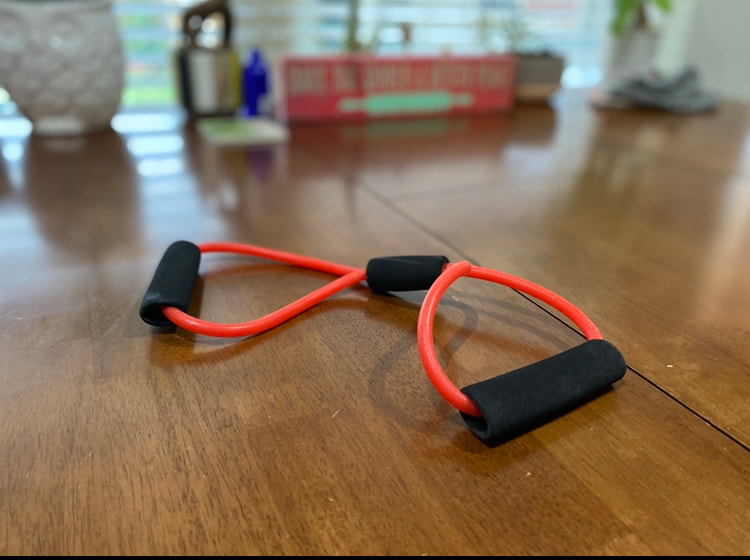 Push-up grips. These are a great tool for beginners to advanced gym-goers. They can be used for a variety of push-ups, core work and more. 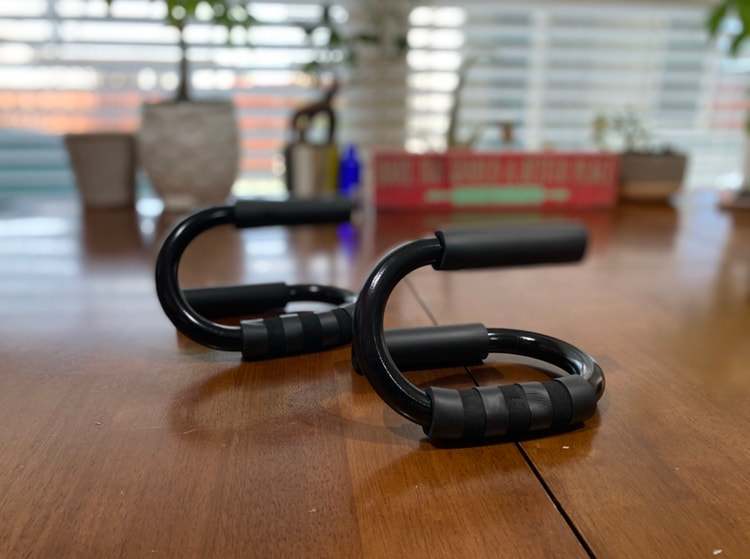 I haven't jumped rope in years, when I say years I mean since I was a kid. Not a teen, a child. So after decades of not jumping rope I had some fun doing it again. This rope was perfect for me, I am nearly 5' 11 and it can be difficult to find a good and long jump rope. This was perfect, the thickness of the rope is also great. The smaller the rope, the more it hurts if you mess up. (Don't mess up and wack yourself, that sting stays for about five minutes! Yikes!) Jump ropes are a great way to add fun and cardio to the mix of your workouts as well. 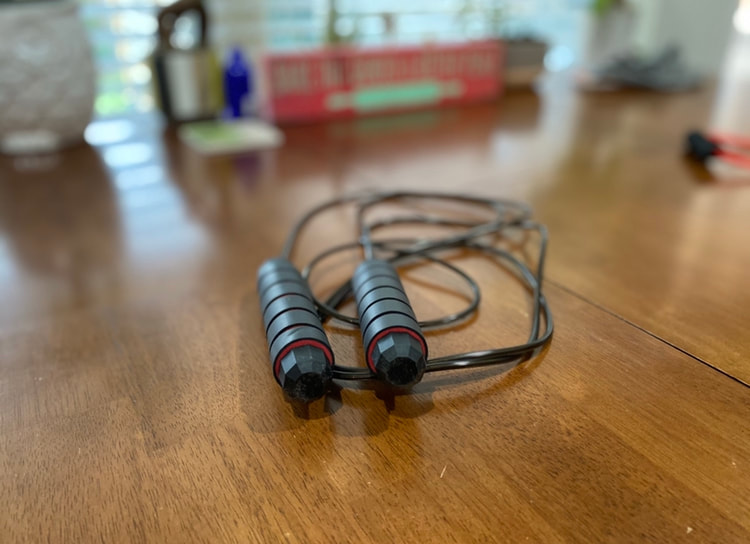 Finally, the best piece in here (IMO), the ab wheel! I was more excited about this due to the structure of it. The larger wheel give s a much more stable base, especially for those who are new to using an ab wheel. This piece comes with a little foam mat to put under your knees. Protection of the patella is vital. This pieces is also very sturdy, my partner uses it nearly every workout. He is 5' 7" and 230 of nearly solid muscle. This is also a great piece to take with you on road trips. Having a nice active, strong core is great for posture and long car rides or plane rides. 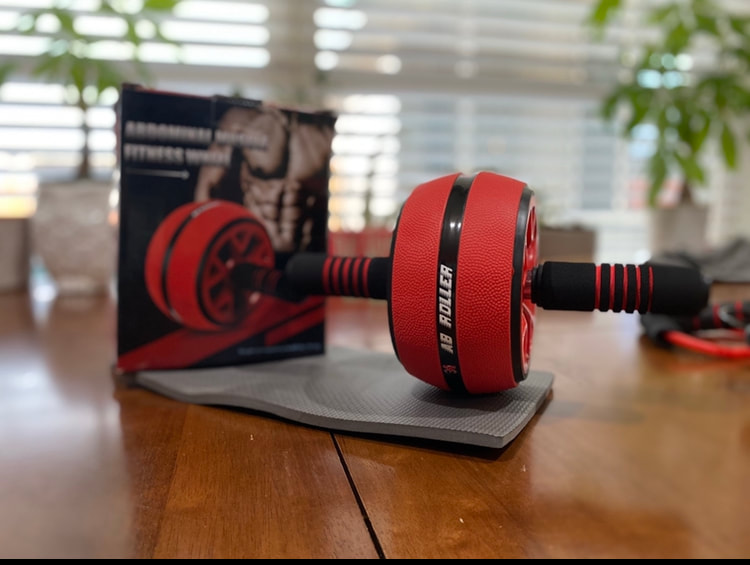 With all other excuses out the door this kit is the bees knees! Never miss a workout again with this great kit. My only suggestion would be to add a different band or two to this kit as the band that comes with it is not suitable for any movement.
You can find their kit on their site or through Amazon! Stay healthy Warriors!  Our world is constantly changing and evolving. We are always learning new information and making new discoveries. One of my recent favorite discoveries has been how powerful Vitamin D is. Personally, I knew it was vital! It is in fact a hormone and not a vitamin.
Vitamin D plays a vital role in many functions and organs in the human body. There are benefits and there are major consequences for deficiency. Let's take a look. 1. Healthy skeletal structure. Everyone needs strong and healthy bones to support the muscle, organs and everything else we carry with it. Providing Vitamin D to your body can help to strengthen the bones in our bodies by playing a vital role in calcium and phosphorus regulation. When this does not happen and the body has a deficiency of Vitamin D the kidneys begin to excrete Vitamin D that is not being absorbed. 2. Healthy children. Children are often fed and told they are getting enough. Unfortunately with the soil content nowadays this is no longer true. Giving your children a Vitamin D supplement could save them from things such as high blood pressure and rickets. There is also connection to low Vitamin D levels and asthma in children. 3. Mood regulation. Vitamin D is a regulator of happy hormones as well. When we do not have enough, our brains produce less serotonin and we can become fatigued, brain-fog, and more. While there are great benefits to all, there are major downfalls to having a Vitamin D deficiency more than there are benefits. (This is not to scare you into rethinking your supplement regimen, but rather to educate so we can better our regimens.)
Wondering where you can get great sources of Vitamin D? Here are some great ways to get Vitamin D into your daily routines.
Sources of food for Vitamin D:
So don't skip that walk with your dog and let them in the backyard, take them on a walk and soak up some sun! There are many ways for us to stay healthy that can be incorporated into our daily lives without disruption to other things we enjoy. Sited Sources: https://my.clevelandclinic.org/health/articles/15050-vitamin-d--vitamin-d-deficiency https://www.medicalnewstoday.com/articles/161618#benefits |
Note from the Team.The blog about everything from mindful eating to healthy fat loss, drugs, natural supplementation and more! Archives
November 2021
Categories
All
|
 RSS Feed